Pros
- Real strategic depth across city-building, commander development, and large-scale alliance warfare
- Genuinely rewarding for coordinated, well-led alliances even without spending
- Long-term content cadence — 15 civilizations and regular seasonal updates keep the map evolving
Cons
- Progression speed and commander power are both meaningfully accelerated by real-money spending
- VIP and sculpture systems are convoluted and pressure players toward recurring purchases
- The KvK transition resets the social contract and can be brutal for unprepared or unaligned accounts
Rise of Kingdoms launched in 2018 and, remarkably for a genre where most titles fade within a couple of years, it's still one of the most-played strategy games on mobile in 2026. Lilith Games has kept it alive with a steady drip of civilizations, commanders, and seasonal events, and the game still pulls in enough revenue to rank among the highest-grossing strategy titles worldwide. None of that answers the question a new player actually cares about: is it good, or is it just good at extracting money from people who are already invested? The honest answer, based on how the community and critics talk about it, is both — and the split between those two things is the whole story.
The essential experience
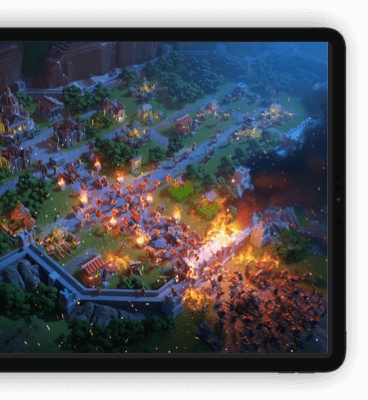
Rise of Kingdoms is a real-time 4X strategy game built on a single persistent, seamless world map rather than instanced matches — you play as a Governor, growing a city from a handful of buildings into a sprawling capital while researching technology, training troops, and choosing from one of 15 historical civilizations (China, Rome, Britain, the Ottomans, and more), each with its own economic or military bonuses. Layered on top is a commander system: historical generals like Sun Tzu, Joan of Arc, and Boudica who lead your armies and level up through their own skill trees, giving the game a genuine RPG-adjacent progression layer beyond simple base-building.
The part that sets it apart from most mobile strategy clones is scale and coordination. Alliances aren't cosmetic — territory control, shared tech, rallies, and city-buffs all run through them, and the endgame system, Kingdom vs. Kingdom (KvK), pits entire servers against each other in extended, multi-phase campaigns. When it works, this is Rise of Kingdoms at its best: real diplomacy, real large-scale battle planning, and a social structure that rewards leadership and communication as much as raw stats.
What players are actually saying
Community sentiment is consistent on one thing above all else: Rise of Kingdoms is partially pay-to-win, and nobody credible argues otherwise, including Lilith itself in how the game is monetized. Spending accelerates construction and research timers, buys access to commander sculptures that would otherwise take a long time to farm, and speeds up resource accumulation — all of which compounds into a real combat advantage against equally-leveled free players. Critic reception has reflected this tension for years; MMOHuts' review scored the game a blunt 2 out of 5, specifically calling the monetization "greedy for the sake of greed" and flagging the VIP system as needlessly convoluted.
At the same time, a meaningful chunk of the active player base pushes back against the idea that spending is mandatory to have fun. Because so much of mid-to-late game strength comes from alliance coordination rather than individual account power, free-to-play governors who join an active, well-run alliance routinely describe being able to contribute meaningfully — filling support roles, garrisoning, gathering, or fighting in coordinated rallies — even against kingdoms with heavy spenders. The game also leans on low-cost "whale bait" offers (frequently priced at $0.99 for new accounts) to convert players early, which is effective business but does little to reassure players worried about a long-term spending spiral.
The limits
The onboarding-to-endgame gap is real. Early game — building up a city, farming barbarians, picking a starter civilization — is approachable and reasonably generous with free rewards and events. The moment an account reaches the threshold for Kingdom vs. Kingdom (broadly around City Hall 25), the entire experience changes: the casual, exploratory phase ends and a much more demanding, alliance-dependent war meta begins, one where an unaffiliated or poorly-coordinated account can be genuinely miserable to play. Reviewers and long-time players agree this transition is one of the least-explained parts of the game and catches a lot of newcomers off guard.
The VIP and commander sculpture systems also draw consistent criticism for being unnecessarily opaque — multiple overlapping currencies, subscription-like VIP tiers, and gacha-style commander acquisition that's difficult for a new player to parse without outside guides. This isn't unique to Rise of Kingdoms among mobile strategy games, but it is one of the more tangled versions of it, and it's a large part of why "pay-to-win" remains the game's most persistent reputation, even among players who otherwise enjoy it.
Who it's for
Rise of Kingdoms is a strong fit for players who genuinely enjoy the social and strategic side of 4X games — coordinating with an alliance, planning territory pushes, theorycrafting commander pairings — and who go in with realistic expectations about spending. It's a poor fit for anyone looking for a fair, purely skill-based competitive ladder, or for solo players uninterested in joining a community; without an alliance, both the early barbarian-farming grind and the KvK war phase are considerably harder and less rewarding. New governors in 2026 should also budget real time before jumping into KvK, since the game front-loads a deceptively calm on-ramp before the actual endgame kicks in.
Verdict: 6.5/10. Rise of Kingdoms remains one of the more strategically substantial games in its genre, with a commander and alliance system that rewards real planning rather than pure spending. But its monetization is aggressive and confusing enough that both critics and its own community routinely flag it as a real cost of entry, not just a background annoyance — worth trying with an active alliance and clear eyes, less recommended for anyone allergic to pay-to-win mechanics.
Final Verdict: Good
A genuinely deep, historically-flavored 4X strategy game with one of mobile's best alliance metagames — undermined by a monetization structure that most reviewers and players agree tilts real advantages toward spenders, especially once Kingdom vs. Kingdom begins.