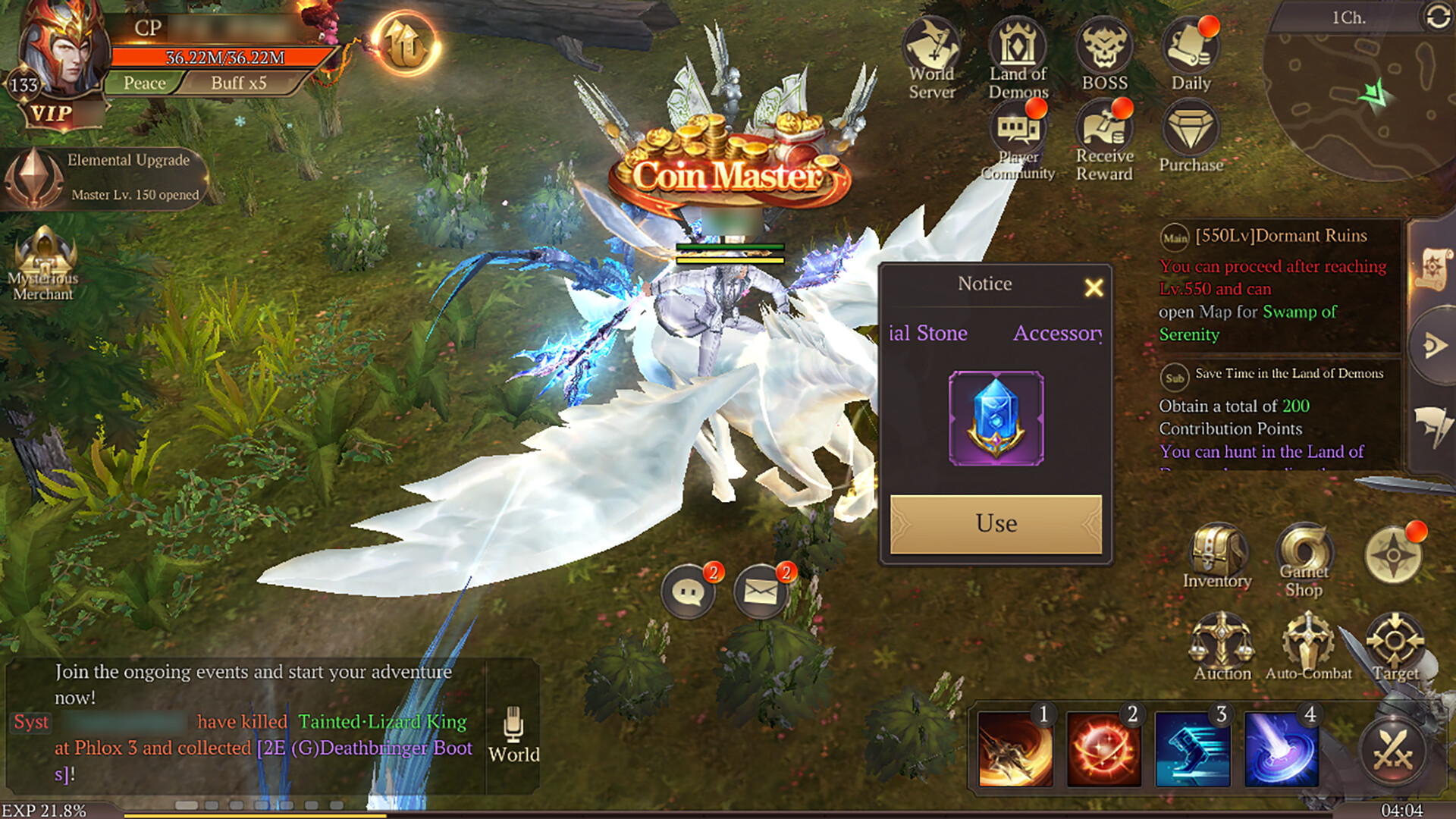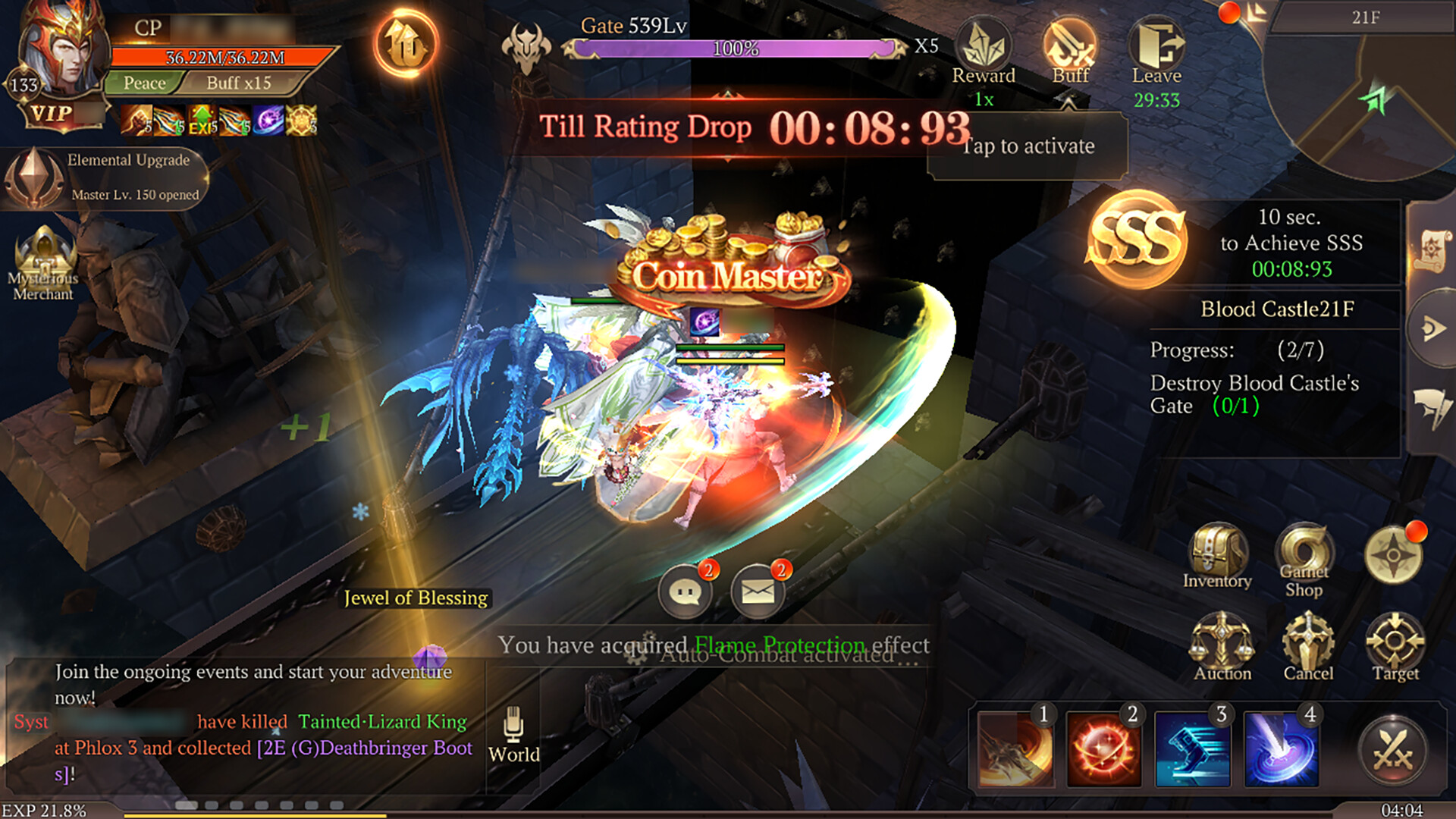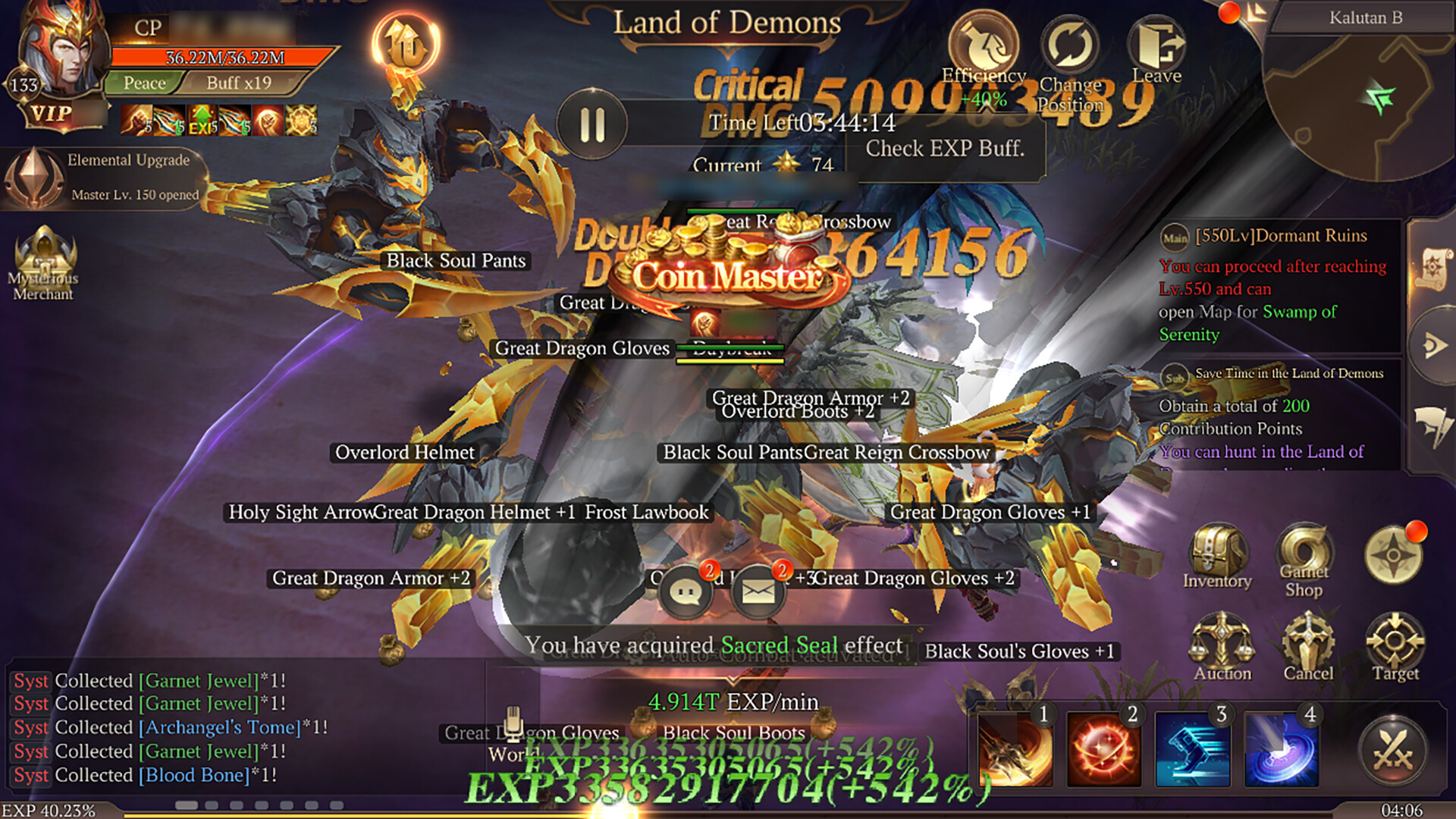
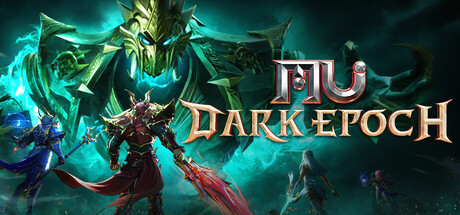
MU: Dark Epoch (37Games' remaster of the classic MU Online formula, published by Building-Blocks Network Technology) leans hard into the series' identity: heavy melee brawlers, glass-cannon casters, and precision ranged DPS, all funneled through fast, automatable early leveling. The class you pick at character creation sticks with you through the entire early game, since class-switching isn't how the progression is designed — so it's worth understanding the three options before you commit, and worth knowing where your gold should actually go once you're leveling.
Choosing your class: Dark Knight, Dark Wizard, or Elf
The game opens with three classes, each with a genuinely different combat identity rather than reskinned versions of each other:
- Dark Knight is the melee, Strength/Stamina-based option — close-range physical damage, dual-wielding swords and axes, with lifesteal mechanics that make it the most forgiving class to play without precise positioning. If you want a class that tanks its own mistakes and doesn't punish imperfect play early on, this is the safer pick.
- Dark Wizard is the ranged magic-damage class, Energy/Agility-based, built around elemental spells, crowd control, and debuffing enemies from range. It rewards positioning and skill sequencing more than the Dark Knight does, and it's the closest thing to a support/control option among the three, since its kit leans on debuffs as much as raw damage.
- Elf is the ranged physical DPS option — Agility/Energy-based, built around precision single-target sniping plus AoE physical attacks, with a playstyle leaning on evasion and critical damage rather than tanking hits.
For a genuinely new player with no strong preference, Dark Knight is the most beginner-friendly starting choice — the lifesteal sustain covers for early mistakes in a way the two ranged classes don't, and melee combat requires less precise play to be effective while you're still learning enemy patterns and your own skill rotation. Players who already know they want a control-and-debuff playstyle should lean Dark Wizard instead; players who want precision ranged damage and don't mind a steeper positioning learning curve should lean Elf. All three classes branch into deeper specializations later (the game gates further class specialization behind higher level thresholds), so an early pick isn't a wasted investment even if you eventually shift your build focus.
Early leveling: use every EXP source in parallel
The fastest early levels come from stacking every available EXP source rather than relying on one method:
- Story and side quests are the backbone of early leveling — they're structured to walk you through zones at a pace that matches your gear and level, and they typically reward far more EXP per time spent than open hunting does.
- Monster hunting fills the gaps between quests and is where you'll pick up gold and gear drops alongside EXP — don't skip it entirely even when quests are available, since drops matter for gearing.
- EXP potions and EXP-gain buffs (from events, the shop, or quest rewards) stack multiplicatively with your normal EXP gain, so it's worth using them during active play sessions rather than hoarding them — an unused EXP boost is wasted value.
- AFK/idle leveling lets your character keep earning EXP and loot passively when you're not actively playing, which is worth turning on by default during any stretch where you're not actively grinding — it's free progress with no downside.
Practical sequencing for a new character: clear available quests first in each zone (best EXP-to-time ratio), fill remaining time with monster hunting for gold and drops, burn EXP potions/buffs during your active sessions rather than saving them indefinitely, and leave AFK leveling running any time you're logged in but not actively controlling your character.
Early gearing: gold discipline matters more than any single item
Gold in MU: Dark Epoch comes from quests, selling drops, and defeating enemies, and it's the currency behind most early gear upgrades and item purchases. The early gearing loop is straightforward but easy to get wrong if you spend reactively instead of with a plan:
- Prioritize gear from quest and elite-enemy rewards first — completing quests and beating notable/elite enemies is a built-in source of meaningfully better gear than what drops from routine trash mobs, and it's free relative to shop purchases.
- Don't dump gold into the shop impulsively. Early gold is limited, and shop-purchased gear is a convenience option for filling specific slot gaps, not the primary gearing method — save it for a slot your quest and drop rewards genuinely haven't filled.
- Upgrade gear regularly rather than waiting to "save up" for a big jump. Difficulty scales continuously as you level, and a character several gear tiers behind its level bracket will feel the fights get harder faster than the guide pacing intends.
- Sell what you won't use. Off-class or outdated drops are gold sitting in your inventory doing nothing — convert them promptly rather than hoarding "just in case" items your class will never equip.
Wrapping up
Pick Dark Knight if you want a forgiving, sustain-heavy start, Dark Wizard if you want control and debuffs, or Elf if you want precision ranged damage and don't mind a steeper positioning curve — all three scale into deeper specializations later, so there's no wrong beginner pick, only a better fit for your preferred playstyle. From there, stack quests, hunting, EXP boosts, and AFK leveling together rather than relying on one method, and keep gear upgrades flowing steadily from quest and elite rewards instead of either hoarding gold or overspending in the shop. That combination is what keeps early fights feeling fair instead of a grind against your own under-leveled gear.